The choice of a journal for publication of scientific research is a very important moment, which largely determines the recognisability and popularity of the author. Today we will consider how to choose a scientific journal to publish an article, what indicators to focus on and so on.
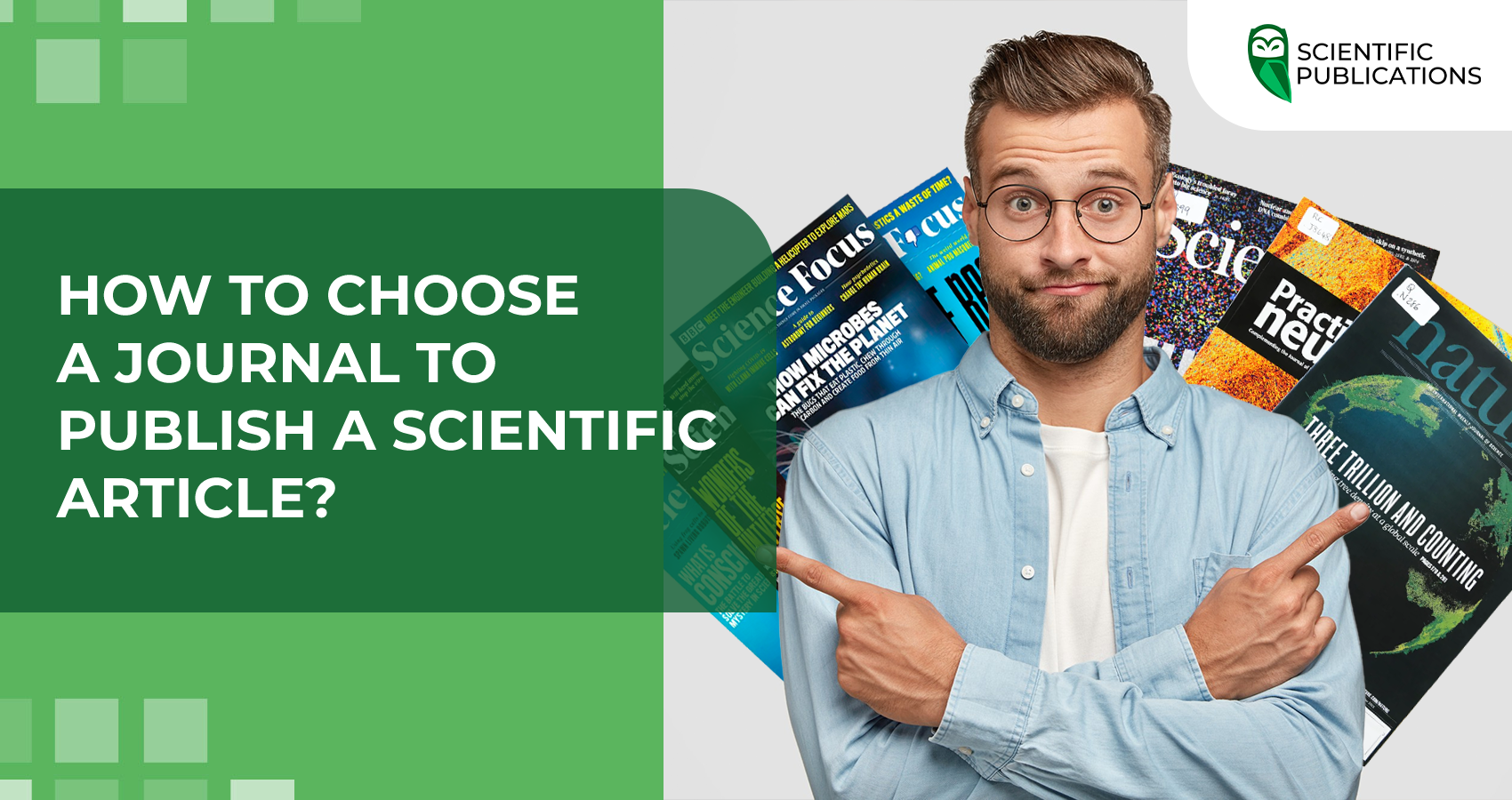
For the author, the choice of a journal for further publication of his own research is an important and responsible decision. Authoritative publications are in demand among scientists, which means that this will affect the recognisability and popularity of the author both among colleagues and in the scientific community as a whole.
What should I focus on when choosing a journal?
The subject matter of the journal
Choosing a journal to publish your article is crucial, and the topic plays one of the key roles. Your article should be in line with the overall theme of the journal, as well as its style and scientific standards.
Scientific metrics
1. Quartile.
An indicator reflecting the influence of a publication in the scientometric database, as well as the level of popularity of the journal among the relevant category. To make this assessment, publications are divided into 4 levels:
- Q1 – the most influential and authoritative publications.
- Q2 – journals that are highly appreciated by the international scientific community, but have slightly lower rating indicators.
- Q3 – journals in this category are the most popular among authors publishing their first scientific research.
- Q4 – this group includes journals that have only recently been included in a certain scientometric base and have not yet gained much authority. Also included here are publications that have worsened their rating indicators.
2. Percentile.
This indicator shows the publication's rating in its subject area, and is expressed as a number between 1 and 99. For example, a score of 99 indicates that the publication is in the top 1% of the most cited journals in its subject area.
3. Impact factor and citation index.
The impact factor of a journal reflects its prestige and influence in the scientific community. Publications with a high impact factor usually attract a wider readership and are more frequently cited. The citation index indicates how many times articles from that journal have been cited by other researchers.
4. Eigenfactor.
Like the impact factor, it takes into account the number of citations. However, unlike the impact factor, the Eigenfactor takes into account not only the number of citations, but also the quality of these citations, i.e. the importance of the journals citing the articles. Eigenfactor measures the number of citations of articles from a journal published in the last five years and considers their weight in the Journal Citation Reports (JCR).
5. SJR.
SJR provides publication activity rankings and citation statistics for journals and countries based on information found in the Scopus database. It is more complex than the impact factor and also calculates the degree of authority of a journal.
6. SNIP.
To calculate SNIP, the ratio of the number of citations to the number of articles of the journal for the last three years is used. Only peer-reviewed papers such as research articles, conference papers, and reviews in Scopus are considered when calculating the metric.
Target Audience
In order to decide on a journal for publishing a research article, or to narrow down the range of possible options, it is necessary to determine the target audience to which you are directing your research. This will help, taking into account certain criteria, to choose the appropriate journal.
Timing of peer review
When choosing a journal to publish your article you need to consider the timeframe in which you need or want to receive the finished publication. Some journals offer publication in two months, in some journals (especially from authoritative databases such as Scopus, Web of Science, PubMed, Springer, Science Direct, etc.) this process can take several months. This factor should be taken into account when preparing a manuscript and selecting a journal.
Databases and platforms
The indexation of the publication is an important criterion when selecting a journal to publish scientific articles. Indexation determines whether your article will be accessible through major scientific databases and platforms, which can affect its visibility and impact.
Cost of publication
One of the key factors when choosing a journal to publish a research article is cost. Some journals offer free publication, but such publications are not always the most reputable. If you want to publish your article in an international scientific journal that is indexed in the leading databases, be prepared that the cost of publication in such journals can vary from several hundred to several thousand dollars. Before submitting your material for consideration by the journal's editorial board, familiarise yourself with the publication's pricing policy. Analyse several options for the cost of publication in journals that meet your criteria and assess which one you can afford.
Choosing a journal is an important step on the way to successful publication of an article. It determines how many people will see your research and how authoritative it will be considered. It also directly affects your credibility and influence in the scientific community. Take into account the journal's scientometric indicators, its indexation and read in detail the information about the publication provided on the official website to avoid cooperation with predatory journals.
Need to publish a scientific article? Contact the company "Scientific Publications". We guarantee quality services, support at every stage of work and publication in international databases. If you have any questions or need advice, fill out an application form on the website and our manager will contact you within a working day.