

In an exclusive article for the author's column, Vladyslav Romanenko, Director of the Scientific Publications company, explained what constitutes the uniqueness of scientific research and what role academic integrity plays in the development of science in Bulgaria.

Working on a draft research article: practical advice
To write a high-quality scientific article, it is essential to know how to prepare a draft properly, as it forms the basis for the subsequent text. How can this be done correctly? Where should you start when writing a scientific article? Read on.
Publication plan vs. research plan: what’s the difference?
Preparing a piece of academic research involves not only carrying out the study itself but also promoting its results within the academic community. How does a research plan differ from a publication plan? Which one shapes the content of the work? We look at how these two tools relate to one another, and why it is worth using both at once.
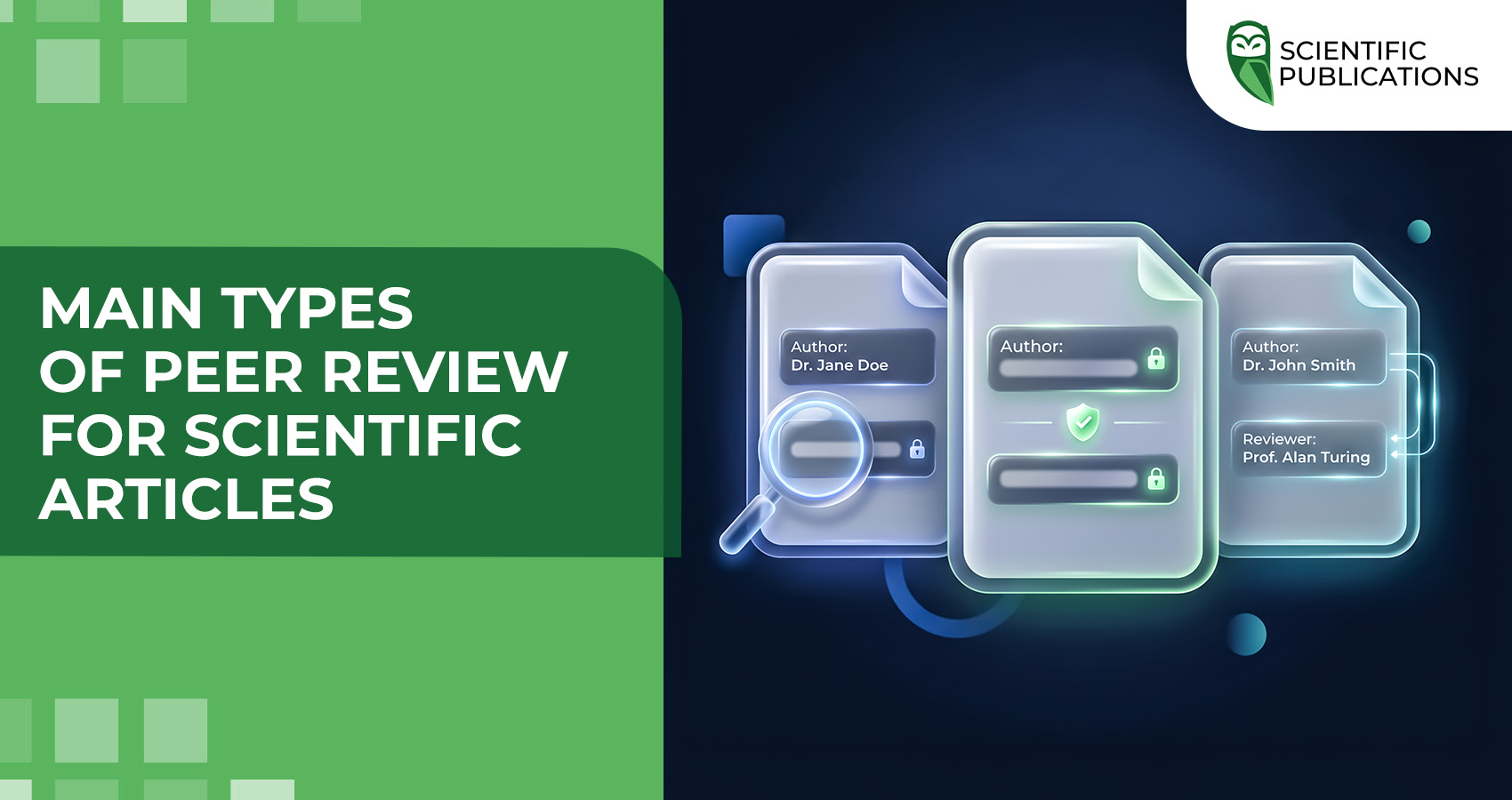
Main types of peer review for scientific articles
Peer review is a key stage of the publication process, since it determines the further fate of an article. This is why every author must have a thorough understanding of the particularities of manuscript evaluation. What types of peer review exist? What are the differences between them? Read on.
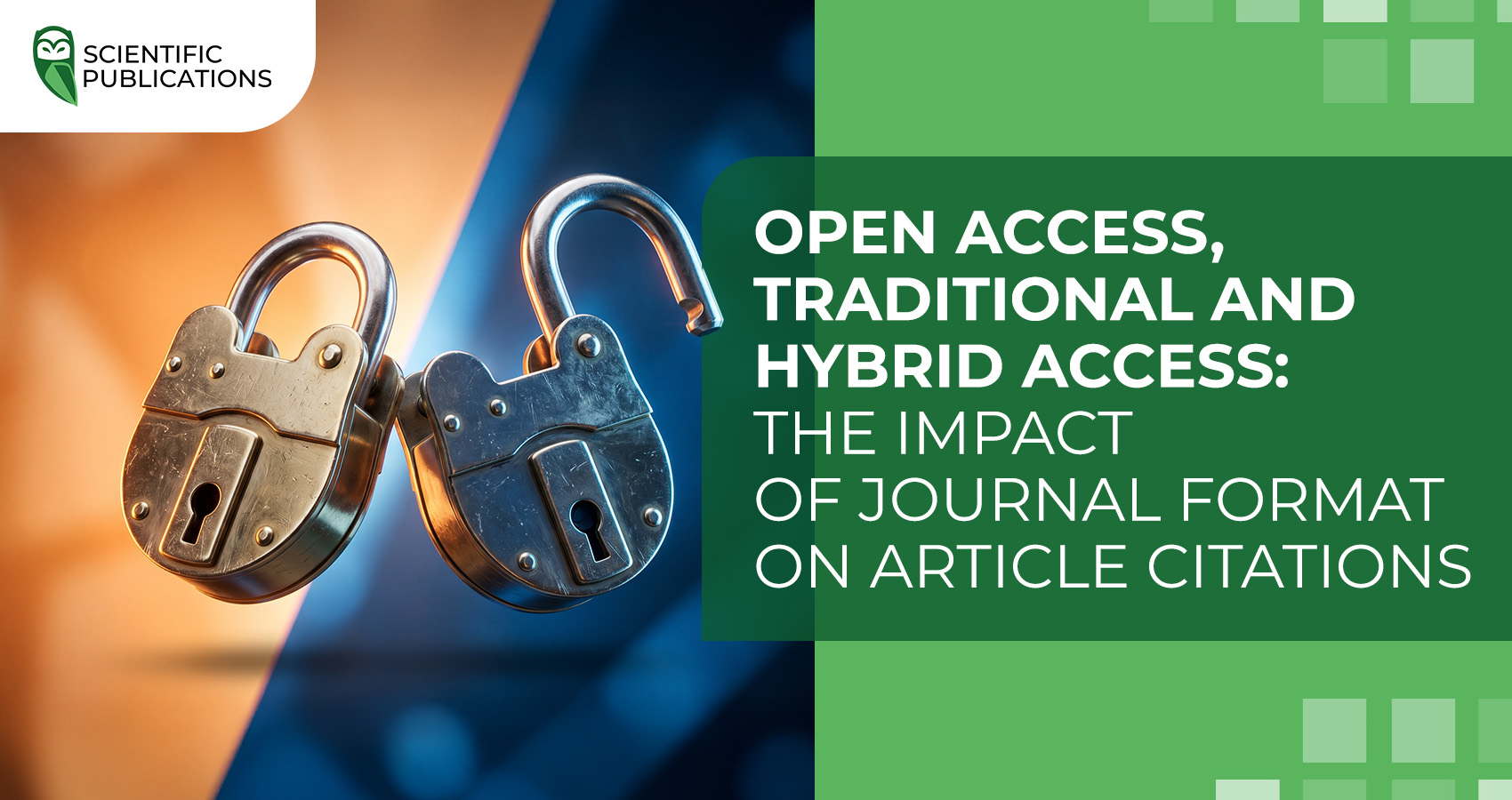
Open Access, traditional and hybrid access: the impact of journal format on article citations
The choice of journal directly influences the citation rate of a scientific article. It determines how broad the audience reach will be and, accordingly, the number of researchers who may potentially cite it. One of the key characteristics of a journal that should be taken into account is its access model. What types of access models exist?
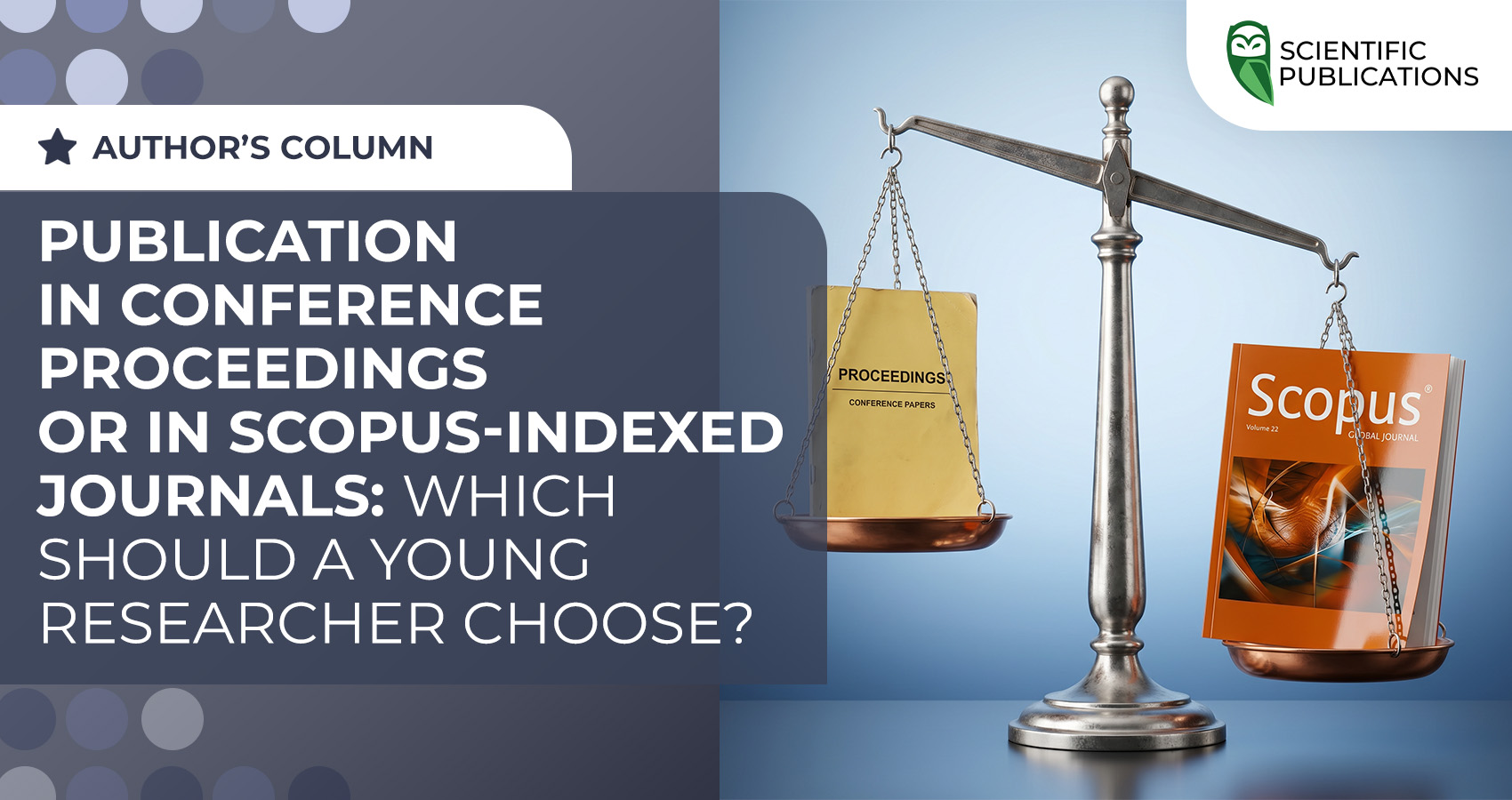
Publication in conference proceedings or in Scopus-indexed journals: which should a young researcher choose?
Conference proceedings or journals indexed in the Scopus database – which is the better choice for publication? Vladyslav Romanenko, Director of the Scientific Publications company, explains in detail how to avoid making the wrong decision.
Order a publication
Contact the manager
Submit a request
X

We have a gift for you!
Free citation of your research or a discount on publication services — the choice is yours!
Vladyslav Romanenko
Director of the
"Scientific Publications Bulgaria"