

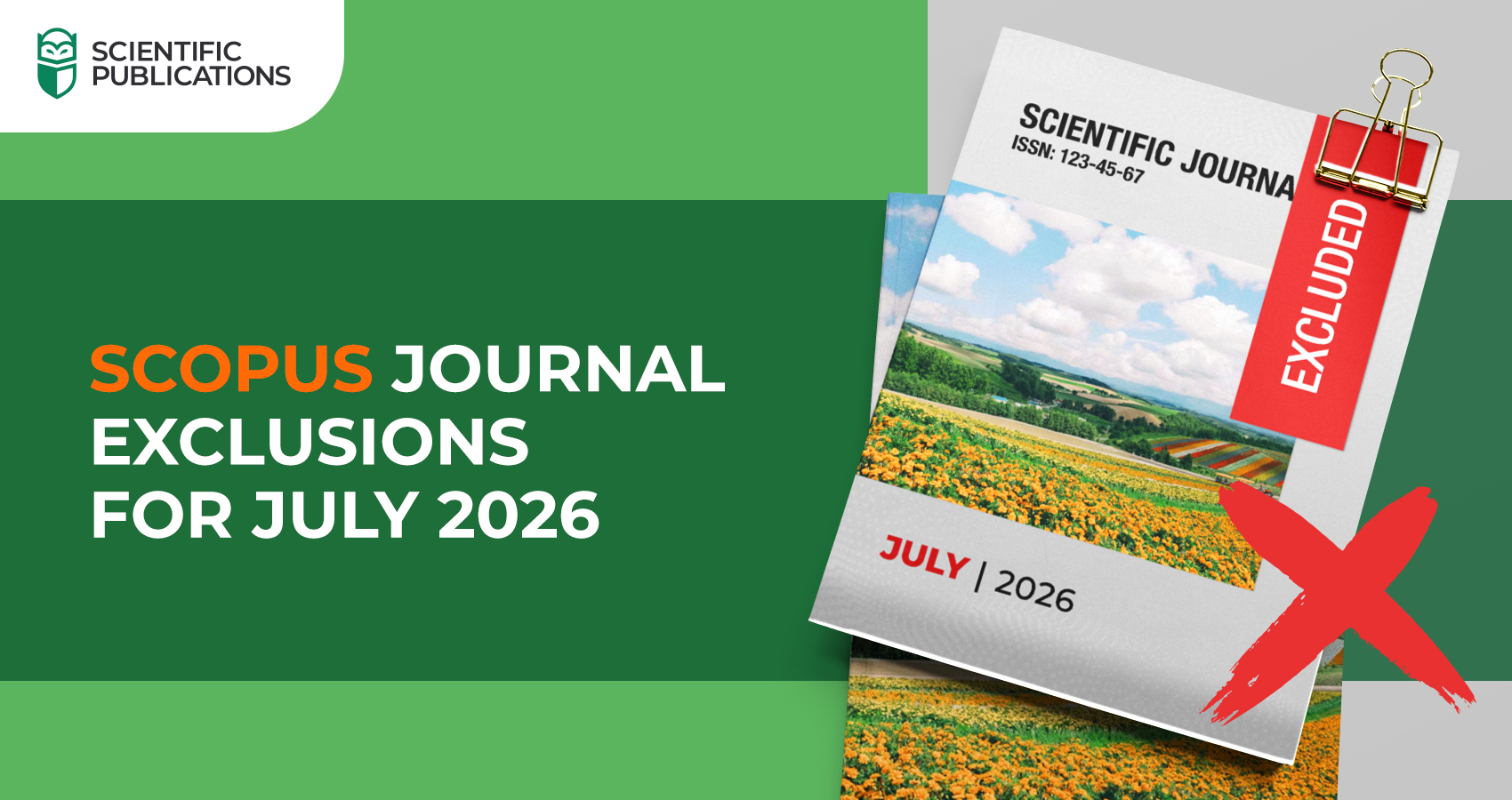
About to submit an article to a journal that was listed in Scopus until recently? Before you click "submit," it's worth checking the most recent update to the journal list – the status may already have changed this month.

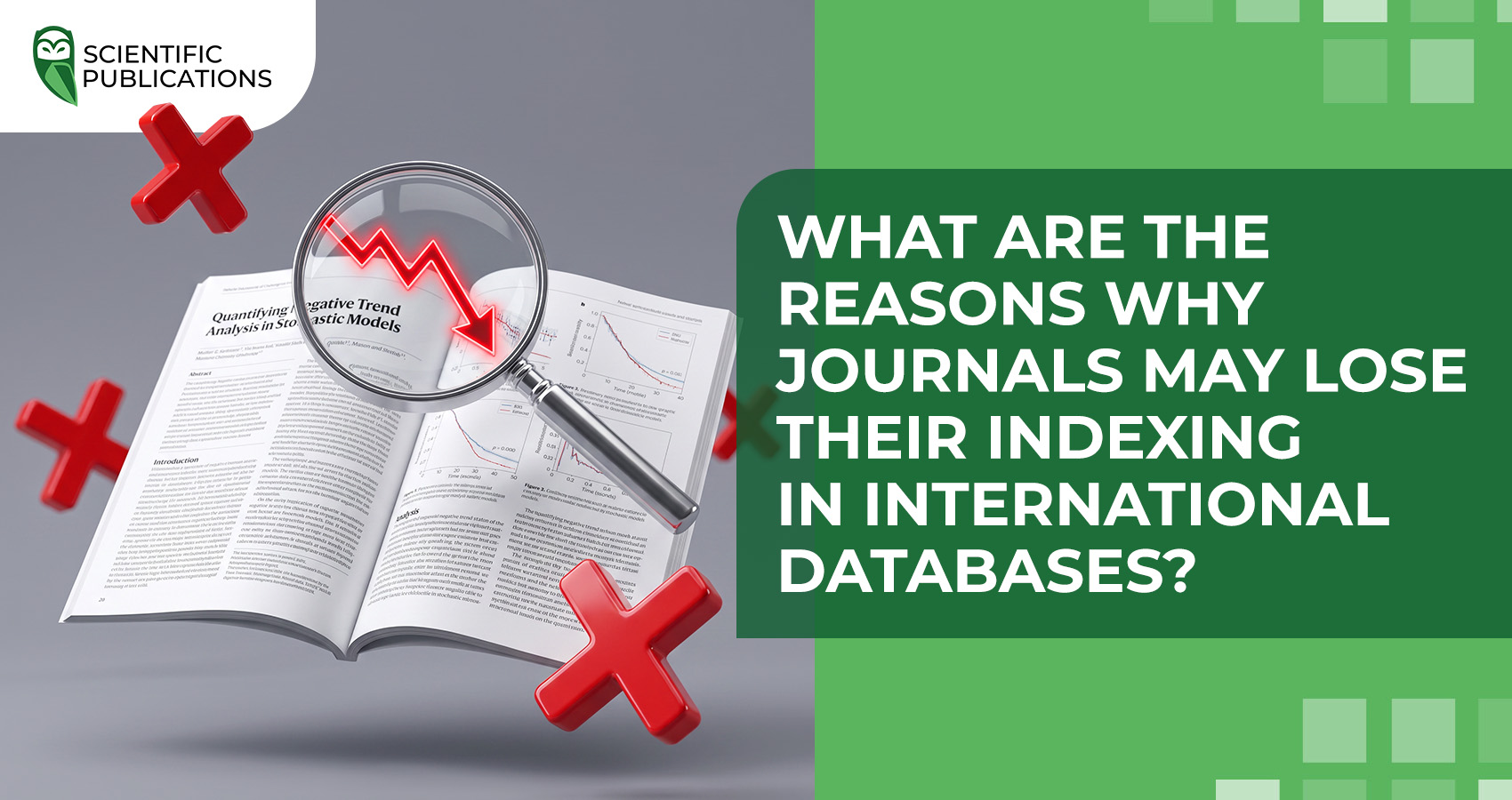
What are the reasons why journals may lose their indexing in international databases?
Obtaining indexation in an international database is far more difficult than losing it. Practically every month, Scopus and Web of Science exclude journals from their lists that breach established standards. Why does this happen? What exactly can cause a journal to be stripped of its indexation in an international database? Read on.
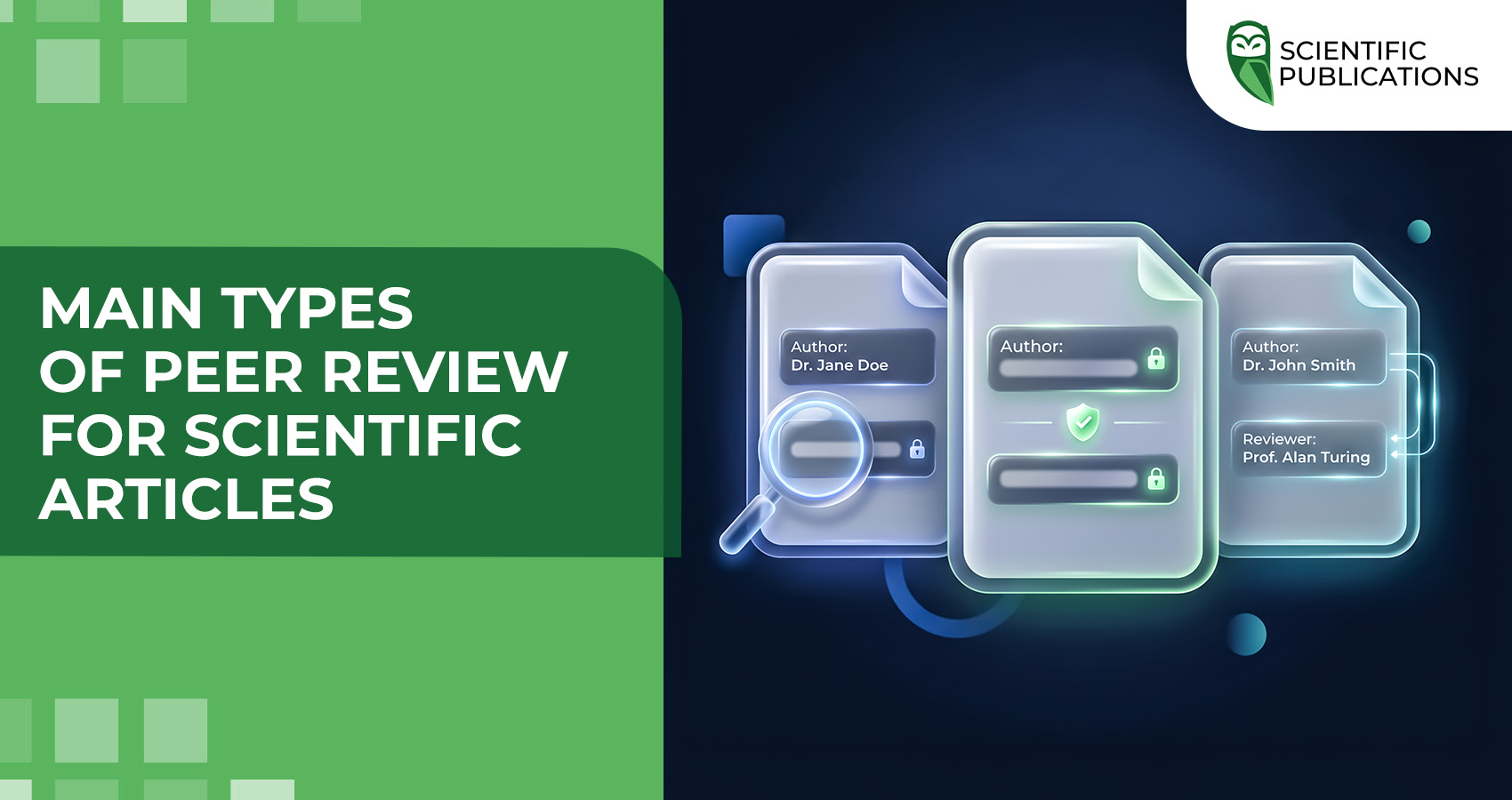
Main types of peer review for scientific articles
Peer review is a key stage of the publication process, since it determines the further fate of an article. This is why every author must have a thorough understanding of the particularities of manuscript evaluation. What types of peer review exist? What are the differences between them? Read on.

Artificial intelligence in scientific articles: what is permitted and what must be declared?
More and more scientists are using artificial intelligence when preparing scientific articles – from finding the right wording to analysing the literature. But does the journal’s editorial board need to be told about this, and where is the line between acceptable help and a breach of academic ethics? We cover all of this in today’s video.
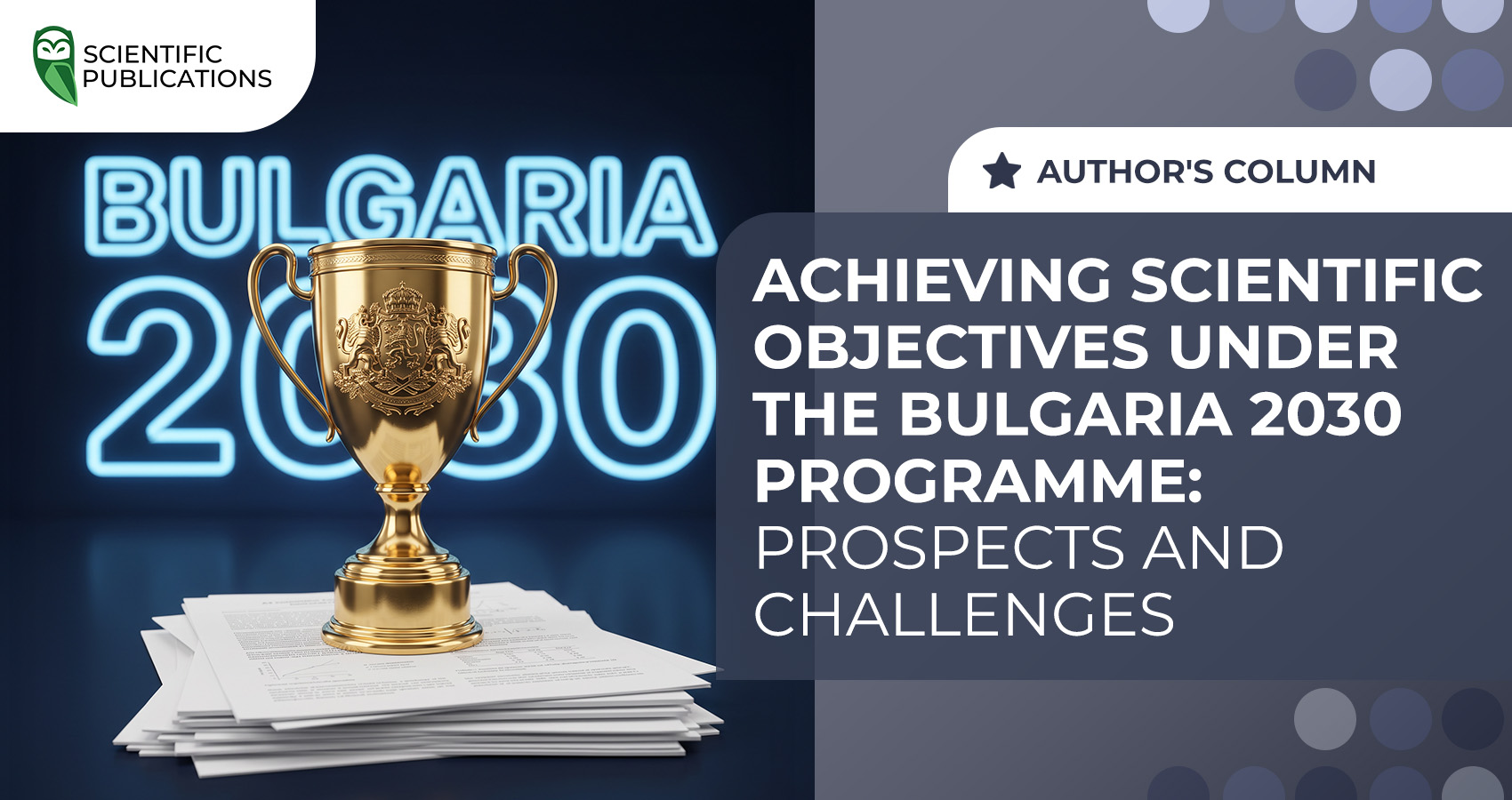
Achieving scientific objectives under the BULGARIA 2030 programme: prospects and challenges
In an exclusive article for the author's column, Vladislav Romanenko, Director of the Scientific Publications company, spoke in detail about the goals that Bulgarian science sets for itself within the framework of this strategic document, the mechanisms envisaged for their achievement, and the challenges that the scientific community may face.
Why does indexing in Scopus not necessarily equate to a journal’s high quality?
Many members of the academic community are convinced that indexation in the Scopus database is a guarantee of a journal's quality. However, is this really so? What risks exist when publishing in Scopus journals? How can they be avoided? Read on.
Order a publication
Contact the manager
Submit a request
X

We have a gift for you!
Free citation of your research or a discount on publication services — the choice is yours!
Vladyslav Romanenko
Director of the
"Scientific Publications Bulgaria"