In the academic community, the topic of researchers re-using fragments of their previous scholarly works when writing new publications is being actively discussed. The concepts of self-plagiarism and self-citation often cause confusion, since both are related to an author’s use of their own texts or ideas. However, there is a fundamental difference between them. What exactly is it? In this article, we will examine what these terms mean, how to distinguish them, and why it is important to maintain balance when citing one’s own works.
Self-citation: what is the essence?
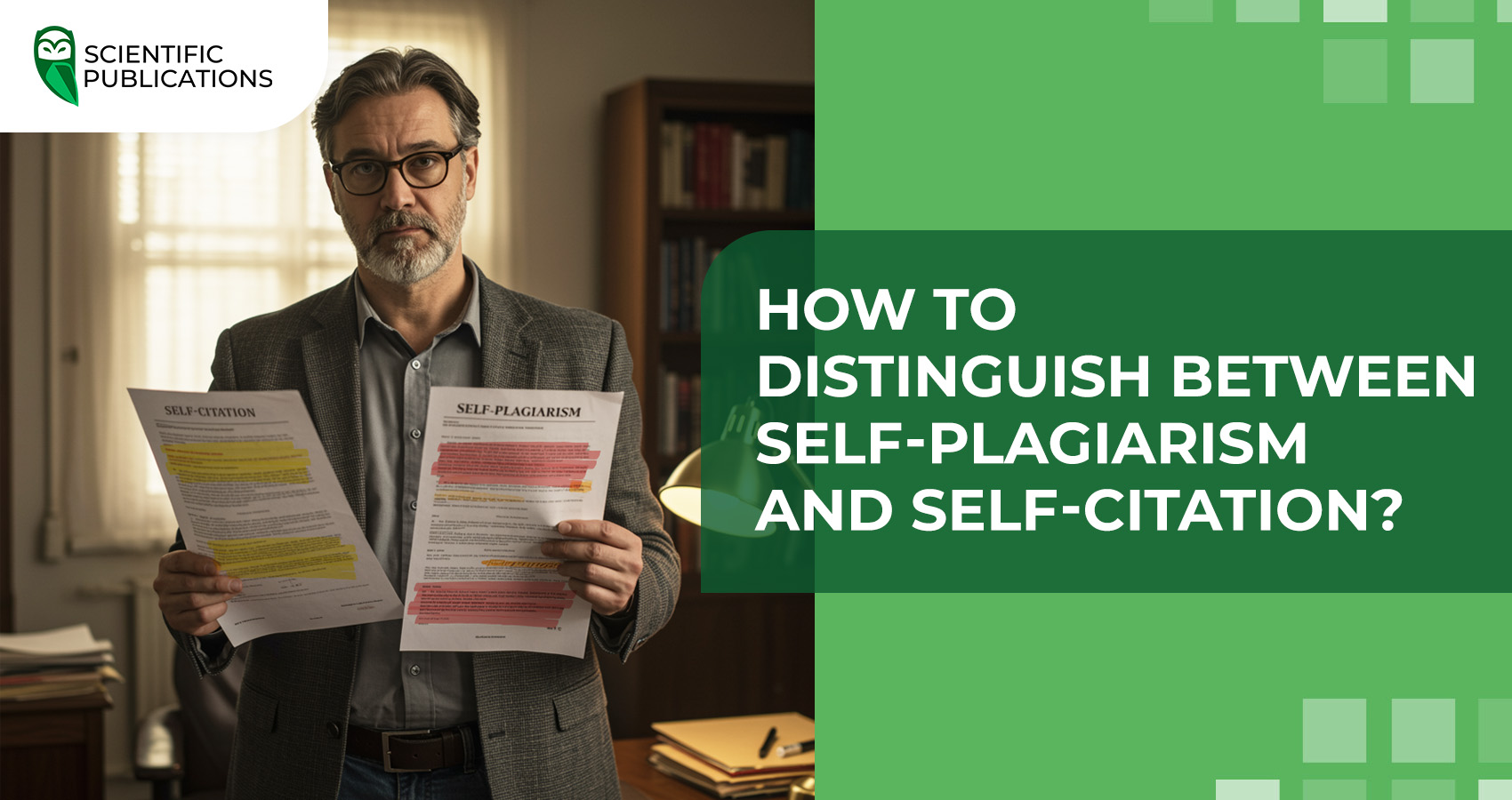
Self-citation – is the practice whereby an author cites their previous publications to support arguments, provide context, or develop ideas in a new work.
This is a perfectly acceptable practice in the academic environment if it complies with academic standards and is used appropriately. For example, an author may cite their earlier research to show progress in studying a topic, clarify methodology, or avoid repeating data that have already been published.
Self-citation is ethical if:
- it is justified and contributes to the development of the new work
- references are formatted in accordance with the requirements of the citation style (for example, APA, MLA, Chicago or others)
- it is not excessive and is not used to artificially inflate the author’s citation count
Self-citation helps readers trace the development of the author’s ideas and ensures transparency in the use of previous results.
What is self-plagiarism and why is it problematic?
Self-plagiarism – involves the repeated use by an author of substantial fragments of their previous works (text, data, ideas) in a new publication without proper citation or indication of the source.
Unlike self-citation, self-plagiarism is considered a breach of academic ethics because it misleads readers and editors about the originality of the work.
Self-plagiarism includes:
- republishing entire sections of an article in another journal without a reference to the previous publication
- using the same data in several articles while presenting them as new results
- submitting a scholarly work to several outlets simultaneously
Self-plagiarism is problematic because it undermines trust in scholarly work, violates the principles of originality, and may lead to sanctions from journals, such as rejection of the publication.
What is the difference between self-citation and self-plagiarism?
| Criterion | Self-citation | Self-plagiarism |
|---|---|---|
| Definition | A reference to one’s own previous works with proper citation. | Repeated use of one’s own material without citation. |
| Ethical status | Ethical if used appropriately. | Unethical; violates academic integrity. |
| Referencing | Requires proper citation according to style standards. | Absence of citation or mention of the source. |
| Purpose | Supporting arguments, providing context, transparency. | An attempt to conceal the repeated use of material. |
| Consequences | Perceived positively in the academic environment. | May lead to rejection of publication. |
Why is it important to cite your own articles?
Any text borrowed from an author’s previous works must be cited, even if it is the author’s own material. This demonstrates respect for the principles of academic integrity and allows readers to distinguish new ideas from those previously published.
However, it is important to avoid excessive self-citation, as this may appear to be an attempt to artificially increase one’s own citation count or to compensate for a lack of new ideas. An author should strive for balance: use self-citation only when it is necessary.
Every researcher should clearly understand the difference between self-citation and self-plagiarism. Compliance with referencing rules, transparency, and responsible use of one’s own materials contribute to the creation of high-quality scholarly works and maintain trust in the academic community.
If you would like to publish an article in a scholarly journal while complying with all norms of research ethics, contact the company Scientific Publications. Our specialists will audit your manuscript and support you at all stages of the process up to the point of indexing. To receive a free consultation, leave your contact details in the form below, and our manager will contact you shortly. Together to the new scientific achievements!