


In the previous videos, we went through the first two sections of IMRAD – "Introduction" and "Methods". Today we will talk about the third and perhaps the most important section – "Results".


How to write the “Methods” section in a scientific article?
Today we will detail how to properly format the Methods section of a research paper following the IMRAD structure.

How to write the perfect introduction to an article?
In order to draw attention to your article, it is important to take a responsible approach to writing an introduction. Today we will tell you how to do it.

IMRAD: How to structure your scientific article in the right way?
How do you structure your paper so that it is easy to read, cite and publish? The answer is simple: use the IMRAD structure. What is this structure and why is it important? Let's look at it in today's video.
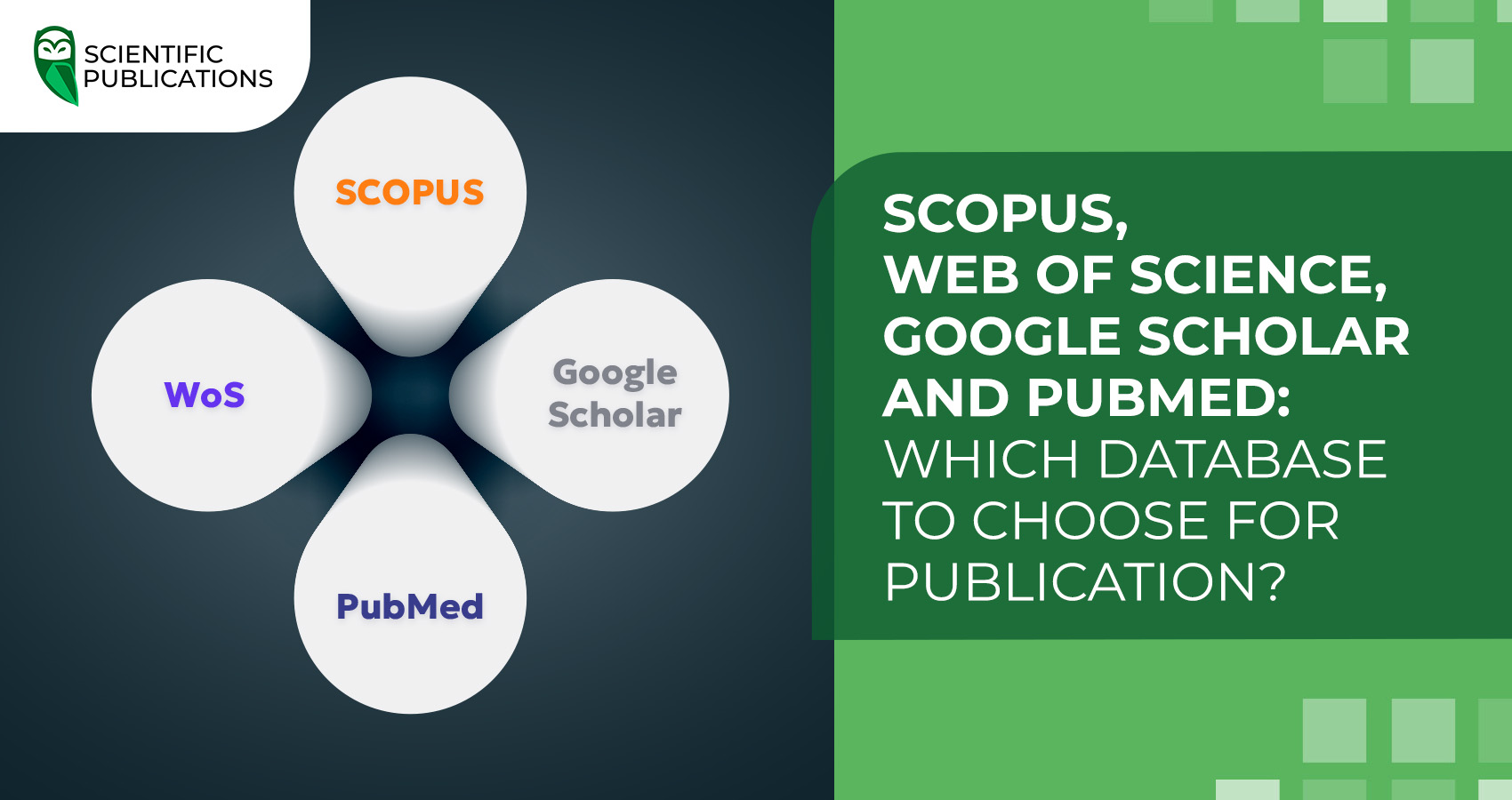
Scopus, Web of Science, Google Scholar and PubMed: which database to choose for publication?
Choosing a scientometric database can be quite challenging for both new and experienced scientists. Which to choose: Scopus, Web of Science, Google Scholar, and PubMed? In this review, we will look at the advantages and limitations of each.
Fast publication in Web of Science: myth or reality?
There are many myths surrounding publishing in Web of Science, and one of them is the possibility of publishing an article in a short time. Is it really possible to quickly publish a scientific article in WoS, or is this a scam?
Order a publication
Contact the manager
Submit a request
X

We have a gift for you!
Free citation of your research or a discount on publication services — the choice is yours!
Vladyslav Romanenko
Director of the
"Scientific Publications Bulgaria"