Scientometric databases are international specialized information systems, which are a repository of scientific content. Inclusion of scientific publications in authoritative databases is a mandatory condition for achieving academic goals, enshrined at the legislative level. In this article we will consider the most prestigious scientometric services in the world.
What is a scientometric database?
A scientometric database is a global information system that contains specialized scientific content: scientific publications, conference abstracts, citations, books, scientific documents, patents and other information. The main purpose of a scientometric database is to measure and evaluate the scientific activity of researchers, scientific institutions, educational institutions and scientific journals.
Scientometric platforms play a key role in modern science, providing objective assessment and monitoring of scientific activity at all levels.
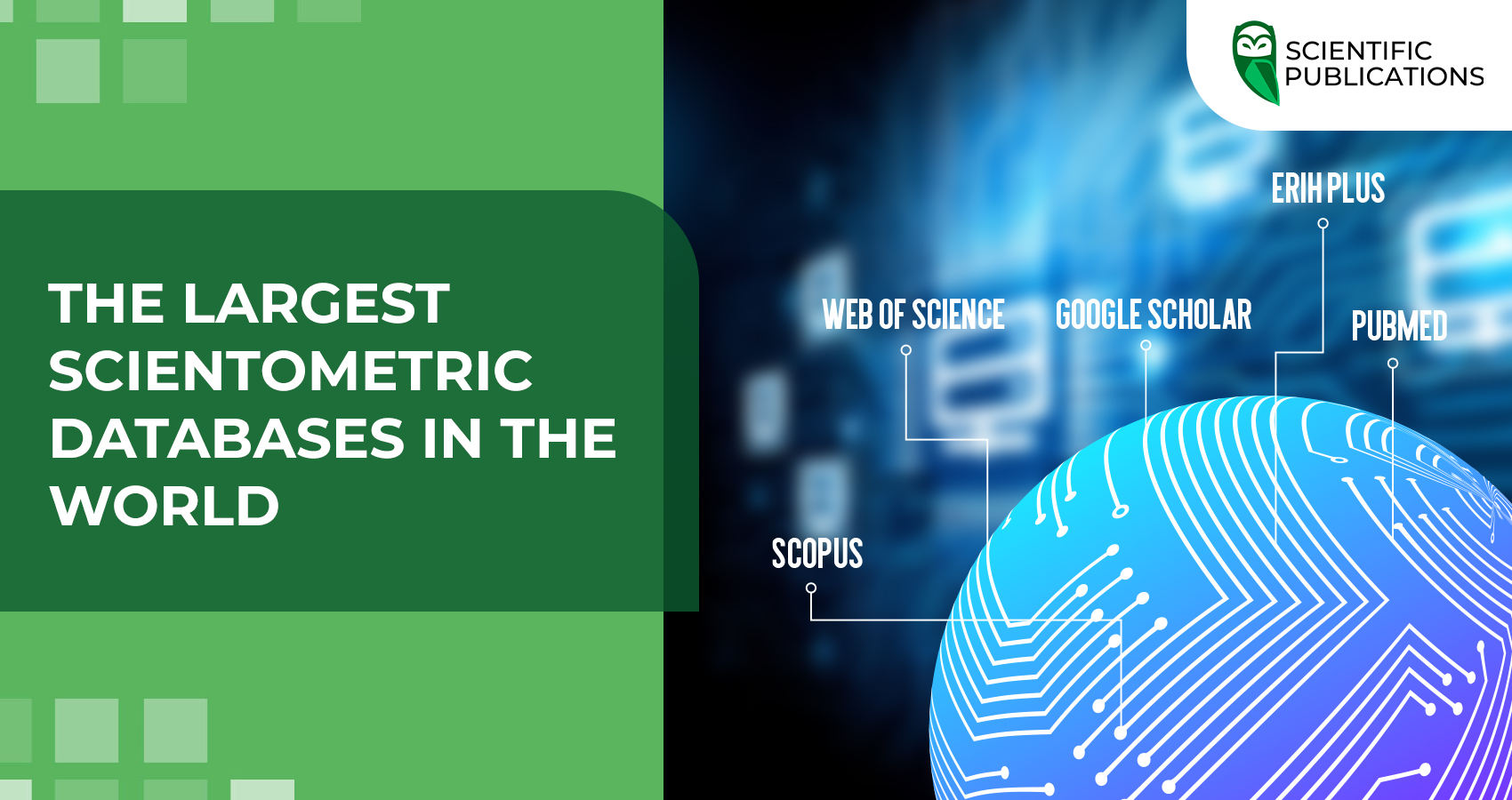
Top 5 most influential scientometric databases (DB)
We are used to the fact that the most popular databases are Scopus and Web of Science. But there are other scientometric systems that have no less value in the scientific world.
Scopus
The largest scientific database by capacity of scientific content, owned by Elsevier. Publication in Scopus is a mandatory regulatory condition for obtaining academic positions and titles in many countries of the world, including Bulgaria. Scopus covers more than 29 thousand peer-reviewed journals and more than 94 million articles.
Advantages of Scopus:
- covers all subject areas: natural, technical, social sciences and humanities
- contains only high-quality scientific content, which undergoes many stages of verification by an independent commission
- has a convenient and modern interface
- offers a variety of tools for analyzing scientific trends, identifying key researchers, and monitoring the development of scientific fields
- includes basic metrics of scientific impact: h-index, SJR, SNIP, CiteScore.
Web of Science
One of the most prestigious and authoritative databases in the scientific space. Publication in Web of Science is equal in importance to international scientific prizes and awards. The WoS ecosystem consists of several citation indexes that together make up the Web of Science Core Collection. Each of the indices specializes in specific disciplines. Several indices cover all disciplines - Science Citation Index Expanded, Social Sciences Citation Index, Arts & Humanities Citation Index, Emerging Sources Citation Index. The interdisciplinary platform includes 254 subject areas and provides access to 161 million scientific publications.
Benefits of Web of Science:
- Access to scientific publications and citations dating back to 1900
- WoS is an international standard recognized by the world's leading universities and research institutions
- the highest quality of scientific content contained in the database
- A wide range of analytical tools and metrics.
Google Scholar
The third most popular scholarly database and search engine for scholarly content developed by Google. The platform is unofficially considered to be the world's largest in terms of scientific content. Google Academy covers scientific publications, including articles, abstracts, books, conference proceedings, patents and other scientific documents from various disciplines posted in the Internet space. The user-friendliness and free access to large amounts of scientific information have made the platform one of the most visited in the world. Upgrading a scholar's performance on Google Scholar is a quick and effective way to build a researcher's image.
Advantages of Google Scholar:
- Covers all academic disciplines, including science, engineering, social sciences, humanities, and the arts
- Google Scholar indexes scholarly publications from a variety of sources (including academic publishers, university repositories and other websites).
- Access to easy-to-use tools for searching scholarly papers
- the ability to create an author profile and track key scientometric indicators
- the function of creating a personal library.
PubMed
Specialized database in medicine and biology managed by the US National Library of Medicine (NLM). Includes scientific articles related to biomedicine and health care and is used for medical research. PubMed contains over 37 million citations and abstracts of biomedical literature. The primary source is the MEDLINE database, which contains abstracts and article metadata from more than 5,200 journals specializing in medicine and related fields of knowledge.
Advantages of PubMed:
- A free resource that provides access to a wide range of quality medical content
- The largest database of biomedical literature
- high level of selection of scientific papers and thorough data verification
- the most up-to-date scientific information.
ERIH PLUS
A scientometric database specialized in indexing scientific journals in the humanities and social sciences. The database was created to improve the visibility and recognition of European scientific journals in the international arena. ERIH PLUS covers more than 10,000 journals in all major disciplines in the humanities and social sciences.
Advantages of ERIH PLUS:
- High quality and academic relevance of the publications included in ERIH PLUS
- a reliable source of information in the humanities and social sciences
- only quality publications with a transparent editorial policy are included in the database
- ERIH PLUS presents journals not only in English, but also in other national languages, including Bulgarian. Such scientific publications are internationally recognized, which in turn increases the importance of publications by Bulgarian scientists.
If you still have questions regarding the selection of a scientometric database for publication, the specialists of Scientific Publications are ready to assist you in solving your publication tasks. For a free consultation, please leave your contact details in the form below.