Scientific conferences are one of the ways of professional development of a researcher. These events provide unique networking opportunities. In today's article, we will discuss how a scientist can get the most out of scientific conferences.
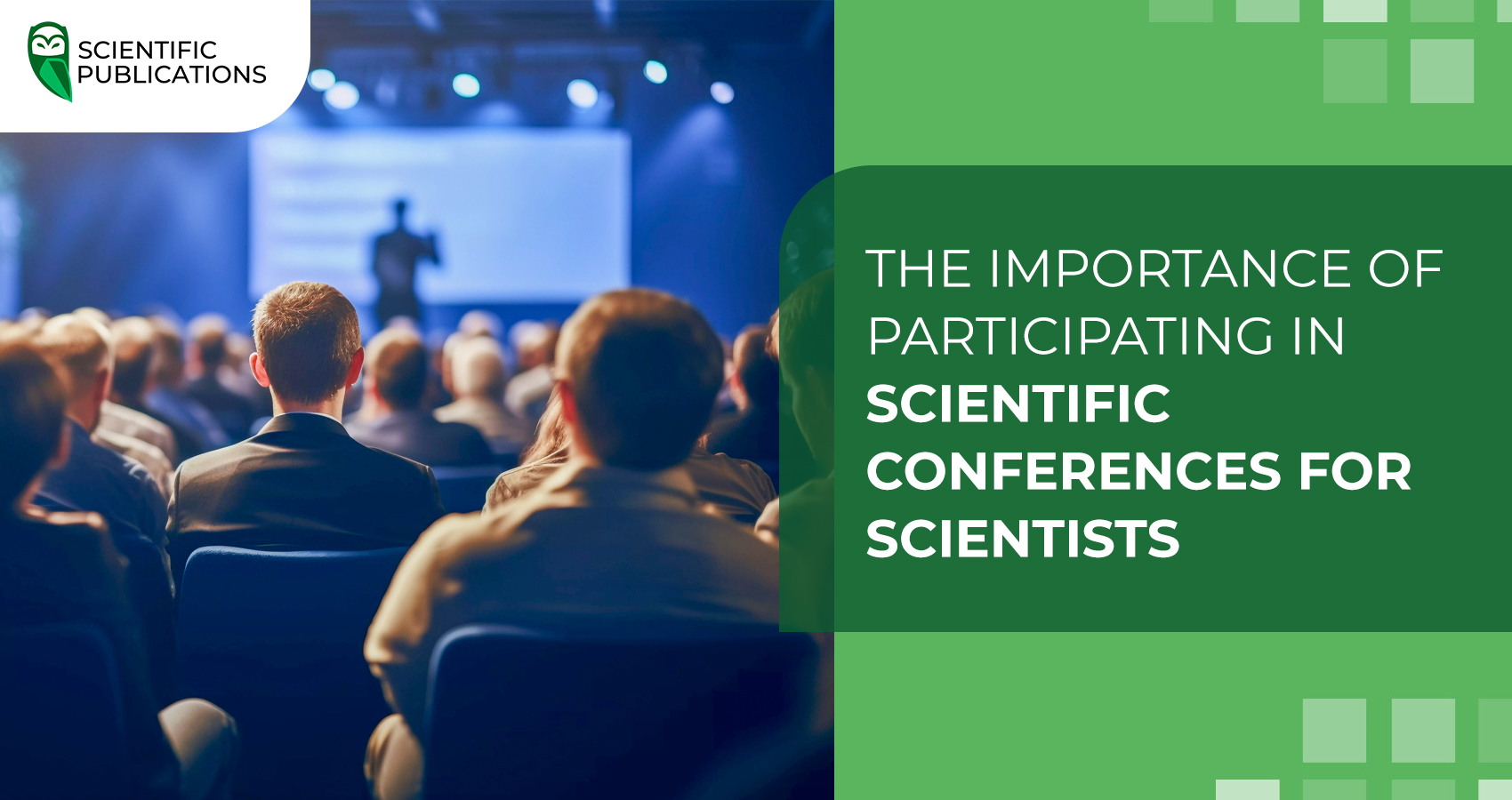
The concept of scientific conferences
Scientific conferences are a special type of events where scientists, teachers and specialists from different fields of knowledge gather to share their research results, ideas and experiences.
Such events play an important role in the advancement of science as they contribute to the dissemination of knowledge and stimulate further research in various subject areas.
Scientific conferences may be international, national or regional and may cover highly specialized or interdisciplinary areas of science.
Stages of participation in scientific conferences:
1. Preparing for the conference
Search for a scientific event that matches the scientist's research interests and subject area. The main criteria for selecting a conference: level (regional, national, international), mode of organization (online or offline), date and location.
2. Application and registration
The next step is to register the participant on the online platform or in person on the day of the event. Often organizers hold an opening ceremony where they welcome participants and announce the program of the event.
3. Attending the event
Scholars attend plenary and breakout sessions, listen to presentations by colleagues, participate in discussions and ask questions.
4. Scientific networking
Scientific conferences are a great opportunity to network with colleagues and agree on future collaborations, joint research and scientific writing.
Benefits of participating in scientific conferences:
- increased employability: participation in world and national level conferences is a definite plus on an employer's resume. Attending scientific events is important if you want a good academic position and a competitive salary
- expanding scientific connections: through participation in conferences you can find like-minded people and colleagues with scientific interests, with whom you can have productive collaborations and promising scientific projects in the future.
- exchange of experience and latest discoveries: participation in conferences facilitates the exchange of expertise and methods. Refreshing knowledge and assimilating new approaches helps scientists remain effective and relevant in their field
- increased visibility: conferences are an excellent opportunity to disseminate scientific publications and increase the visibility of a researcher's work.
- inspiration and motivation: interaction with leading scientists from around the world broadens the outlook and contributes to the acquisition of new knowledge about innovative approaches to solving various types of scientific problems.
International conferences in which scientists from Bulgaria can participate
We have prepared a list of scientific conferences in various fields of knowledge that bring together scientists from different countries, including Bulgaria:
- ECER (European Conference on Educational Research) - an annual event that covers the field of knowledge related to education and educational research
- ICCSIT (International Conference on Computer Science and Information Technology) -an annual event that focuses on the latest research in computer science and information technology.
- ICBEB (International Conference on Biomedical Engineering and Biotechnology) - a conference that brings together experts in the field of biomedical engineering and biotechnology.
- ICEM (International Conference on Economics and Management) - a global scientific event on the topic of economics and management.
- EGU General Assembly (European Geosciences Union) - an annual event covering all areas of geosciences.
If you want to increase your chances of getting an academic position or are preparing to defend your dissertation and need to publish in a highly rated journal, our experts are ready to solve the scientific task of any complexity. Leave a request on the website and our manager will advise you on publishing in international databases such as Scopus and Web of Science.