Each author, having sent his manuscript to the editorial office for further publication, can expect the result from several weeks to several months, and sometimes even a year. All this is because of the reviewing and editing process. What are these processes?
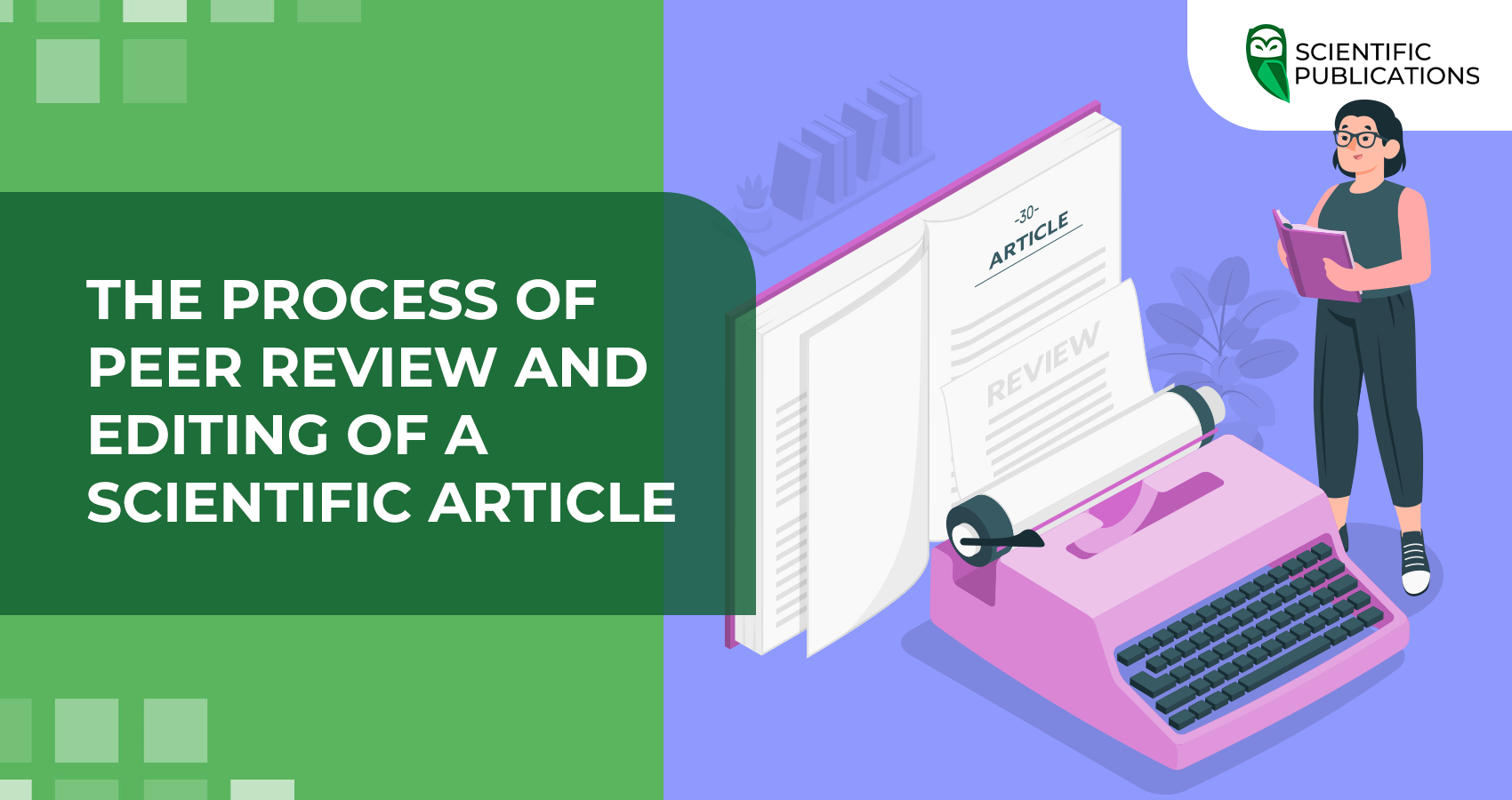
The reviewing and editing stages are mandatory for publication in a scientific journal. It is these processes that can cause long publication time, as we have detailed in our article. Today, we will tell you more about these processes, what they are all about and why they are needed.
The peer review process
Peer review is a detailed check and evaluation of the material submitted to the editorial office for further consideration. At this stage, the work is checked for consistency with the journal's theme and direction, and recommendations are made to the authors to improve the manuscript. This covers assessment of compliance with the requirements of the publication, such as originality, relevance, correctness of formatting, quality, value of the research and uniqueness.
Reviewing involves checking the level of uniqueness of the text, which is determined by the requirements of a particular journal. Normally, this should be around 85%, although it can vary from 70% to 95% depending on the publication. In addition, the logicality of the presentation of information and its consistency are checked.
What is the purpose of reviewing a scientific article?
Reviewing is carried out to check the material for:
- compliance with the requirements and criteria established by the journal;
- compliance of the manuscript with the subject and directions of the journal
- quality and reliability of information.
The main purpose of reviewing is to bring the material to the ideal quality for further publication in the journal and databases.
Duration of reviewing
The review process may take longer than the authors expect, especially in journals indexed in international databases and having a high status in the scientific community. This is due to the high and stringent content requirements.
Reviewing usually lasts up to one month. If the author does not receive a response within this time, the editorial office should be contacted to clarify the status of the manuscript. Sometimes manuscripts may fall into the ‘spam’ category and not reach the recipient, so it is important to identify such situations in time not to delay publication.
Editing process
Editing is the process of improving the text material in order to improve its quality and meet academic standards. This is an important stage that precedes the publication of an article in scientific journals.
The main task of the editor is to improve the text so that after publication, readers will perceive the material better and easier.
The editing process consists of 3 stages:
- Familiarisation.
- Checking.
- Editing.
Types of editing
- Structural editing – involves checking and correcting the text in accordance with the requirements of the structure that corresponds to the type of research and journal standards. If the text does not meet the established requirements, the manuscript is returned to the author for necessary corrections.
- Semantic – the editor focuses on the correctness and comprehensibility of the presented material and author's statements.
- Technical editing – involves checking and correcting the material according to the technical requirements of the journal, such as margins, font type and size, line spacing, indentation, text alignment, as well as the design and quality of graphic elements (figures, tables, graphs, etc.).
- Literary editing – covers the correction of spelling, lexical, punctuation and syntactic errors. The editor also checks the accuracy of the terms used by the author, as well as the logicality and grammaticality of the author's thoughts. Special attention is paid to their interconnectedness in the text.
Reviewers and editors work to bring the author's manuscript to a perfect state ready for publication. Authors are advised to calmly accept criticism and comments of specialists, to take into account all wishes and remarks, as their goal is the development of science and the journal. If there are doubts about the competence of reviewers or incorrectness of the expressed opinions and comments, you should contact the editorial office of the journal.
Need help with publication? Contact the company "Scientific Publications". Our specialists accompany you at all stages – from writing an article to successful publication in the journal. If you have questions or need advice, fill out an application form on our website and our manager will contact you within a working day.