

About to submit an article to a journal that was listed in Scopus until recently? Before you click "submit," it's worth checking the most recent update to the journal list – the status may already have changed this month.

What are the reasons why journals may lose their indexing in international databases?
Obtaining indexation in an international database is far more difficult than losing it. Practically every month, Scopus and Web of Science exclude journals from their lists that breach established standards. Why does this happen? What exactly can cause a journal to be stripped of its indexation in an international database? Read on.
Why does indexing in Scopus not necessarily equate to a journal’s high quality?
Many members of the academic community are convinced that indexation in the Scopus database is a guarantee of a journal's quality. However, is this really so? What risks exist when publishing in Scopus journals? How can they be avoided? Read on.
Exclusion of journals from Scopus for June 2026
Every month, Scopus updates the list of academic journals that have lost their indexing. The Scientific Publications company has prepared a list of publications that lost their indexing in June 2026, as well as the reasons for their exclusion.
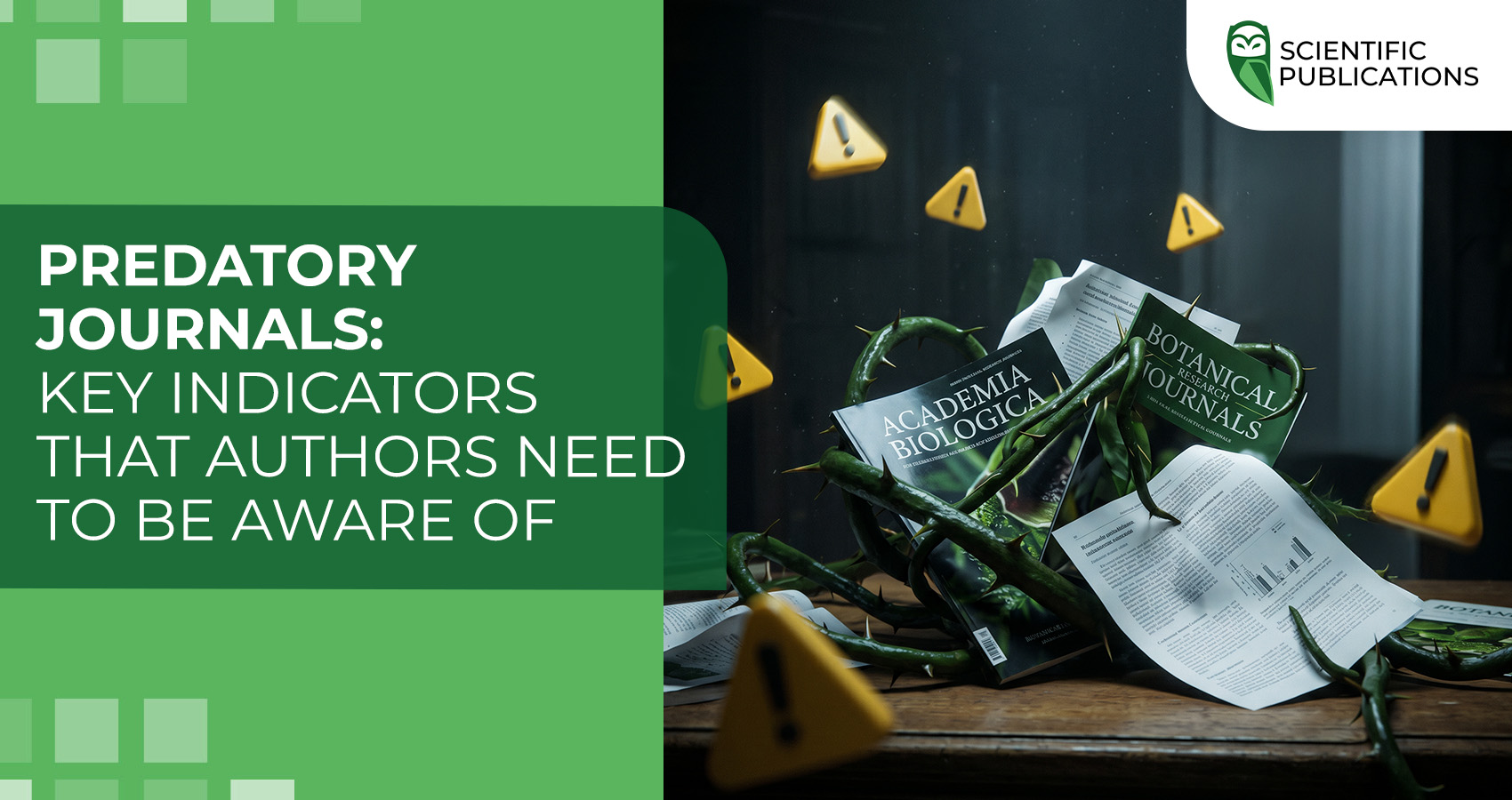
Predatory journals: key indicators that authors need to be aware of
Predatory journals pose a serious threat to researchers, as publishing in them can damage an author's reputation. What forms do they take? How can you tell you're dealing with a disreputable journal? Read on to find out.
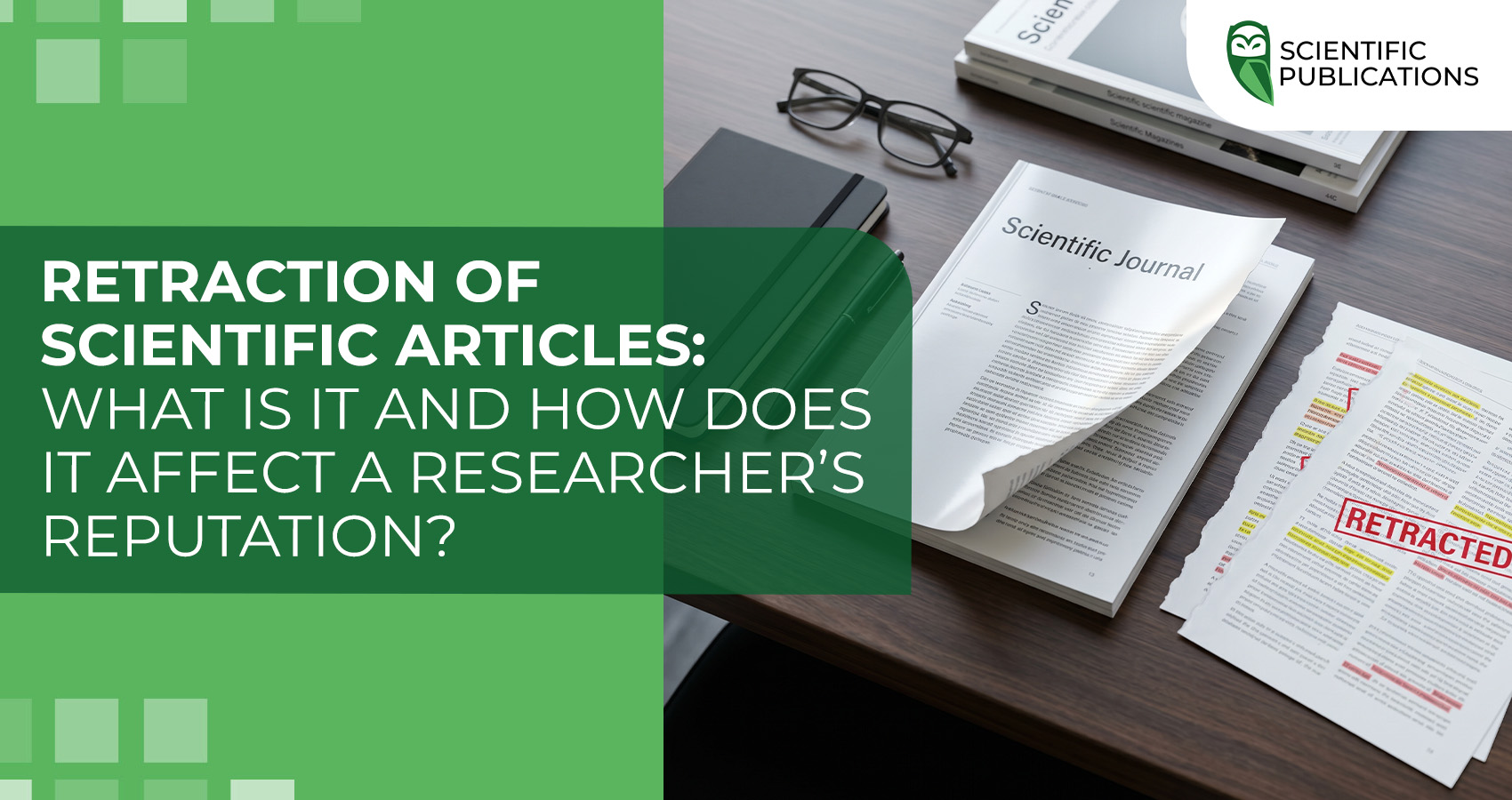
Retraction of scientific articles: what is it and how does it affect a researcher’s reputation?
In the academic community, there is a practice of withdrawing scientific articles that have already been published. This procedure is known as retraction and is applied when significant issues are identified after publication that call into question the reliability or integrity of the research. What reasons can lead to a retraction? What types of retractions exist, and how do they affect a researcher's reputation? Let us examine these issues in more detail.
Order a publication
Contact the manager
Submit a request
X

We have a gift for you!
Free citation of your research or a discount on publication services — the choice is yours!
Vladyslav Romanenko
Director of the
"Scientific Publications Bulgaria"